

Categories
Uncategorized

Legal Translation Services in Dubai – Why Certified Translation Matters in the UAE (2026)

Legal Translation Services in Dubai are essential for anyone submitting documents to UAE government authorities, courts, embassies, or immigration departments. In the United Arab Emirates, only certified and legally accurate translations are accepted for official use, making professional legal translation a mandatory requirement.

Whether you are an individual or a business, understanding how legal translation works in Dubai can help you avoid document rejection, delays, and legal complications. Legal Translation Services in Dubai are mandatory for documents submitted to UAE government authorities and courts.

This guide explains what legal translation is, when it is required, which documents need translation, common mistakes to avoid, and how Al Hikma Legal Translation Services supports clients across Dubai and the UAE.

Certified legal translation for UAE government documents

What Are Legal Translation Services?

Legal translation refers to the professional translation of official documents from one language to another while preserving their legal meaning, format, and accuracy. In the UAE, legal translation must meet strict standards and is often required in Arabic, the official language of government authorities.Legal Translation Services in Dubai must meet official UAE legal and language standards.

A legally translated document must:

  • Reflect the original content accurately

  • Use legally accepted terminology

  • Follow UAE authority formatting rules

Only certified legal translations are accepted for official submission.

When Are Legal Translation Services Required in Dubai?

Legal Translation Services in Dubai are required for visas, immigration, court cases, and business documentation.

  • Visa and immigration applications

  • Court cases and legal proceedings

  • Business setup and licensing

  • Certificate attestation and embassy submissions

  • Banking and financial transactions

Government departments do not accept uncertified or informal translations

Types of Documents That Require Legal Translation

Personal Documents

Used for immigration, family, and residency purposes:

  • Birth certificates

  • Marriage certificates

  • Divorce certificates

  • Police clearance certificates

Educational Documents

Required for employment and academic purposes:

  • Degree certificates

  • Diplomas

  • Transcripts

Legal & Court Documents

Used for legal proceedings:

  • Court judgments

  • Power of Attorney

  • Affidavits

  • Legal agreements

Business & Commercial Documents

Used for corporate and trade activities:

  • Trade licenses

  • Memorandum of Association (MOA)

  • Commercial contracts

  • Board resolutions

Why Certified Legal Translation Is Important

Using uncertified or inaccurate translations can result in:

  • Application rejection

  • Processing delays

  • Legal disputes

  • Additional costs

Certified legal translation ensures:

  • Acceptance by UAE authorities

  • Compliance with local laws

  • Clear legal interpretation

Using certified Legal Translation Services in Dubai ensures documents are accepted without rejection or delay

Common Mistakes to Avoid in Legal Translation

Many applications are rejected due to:

  • Incorrect legal terminology

  • Name mismatches between documents

  • Missing stamps or certification

  • Poor formatting

Working with experienced legal translation professionals helps avoid these errors.

Legal Translation and Government Acceptance in the UAE

UAE authorities require that legal translations:

  • Be accurate and complete

  • Match original documents exactly

  • Follow official legal language standards

Legal translation is often required alongside certificate attestation, MOFA attestation, or embassy submissions, depending on the document’s purpose.

Legal Translation in Dubai

How Al Hikma Supports Legal Translation in Dubai

Legal translation involves strict rules and attention to detail. Al Hikma Legal Translation Services in Dubai provides reliable support for individuals and businesses by ensuring that documents meet UAE authority requirements.

Our support includes:

  • Certified legal translation services

  • Translation of personal, legal, and commercial documents

  • Assistance for visa, court, and business documentation

  • Support for attestation and official submissions

We focus on accuracy, compliance, and timely delivery to help clients complete official processes smoothly.

Who Needs Legal Translation Services?

Legal translation services are commonly used by:

  • Individuals applying for visas or family sponsorship

  • Employees submitting documents for work permits

  • Businesses handling contracts and licensing

  • Lawyers and legal representatives

  • Students applying to educational institutions

If a document is submitted to a UAE authority, legal translation is usually required.

Conclusion

Legal Translation Services in Dubai play a vital role in ensuring that documents are legally valid and accepted by UAE authorities. From immigration and court cases to business and personal matters, certified legal translation is a non-negotiable requirement.

By working with experienced professionals, individuals and businesses can avoid delays and ensure full compliance with UAE regulations.

Al Hikma Legal Translation Services provides trusted legal translation support across Dubai and the UAE, helping clients navigate official documentation with confidence.

FAQs – Legal Translation Services in Dubai

Is legal translation mandatory in Dubai?

Yes. Legal translation is mandatory for documents submitted to UAE authorities.

Which language is required for legal translation in the UAE?

Most official documents must be translated into Arabic.

Can I submit documents without legal translation?

No. Untranslated or uncertified documents are usually rejected.

Does Al Hikma provide certified legal translation?

Yes. Al Hikma provides professional legal translation services that meet UAE authority requirements.

Categories
Uncategorized

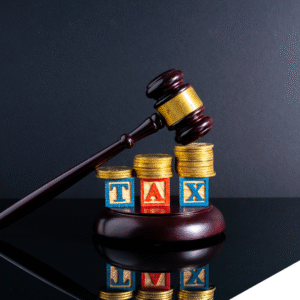
UAE Corporate Tax Registration – Complete Documentation & Compliance Guide (2026)

UAE Corporate Tax Registration is a mandatory compliance requirement for businesses operating in the United Arab Emirates. Whether a business is established on the Mainland or in a Free Zone, registration with the Federal Tax Authority (FTA) is required to remain compliant with the UAE Corporate Tax Law.

While corporate tax calculation and filing must be handled carefully, accurate documentation, legal translation, and correct submission through the EmaraTax platform are essential for successful registration and approval.UAE Corporate Tax Registration is mandatory for businesses operating in the UAE to comply with Federal Tax Authority regulations.

This guide explains UAE Corporate Tax registration requirements, applicable tax rates, who must register, required documents, deadlines, penalties, and how Al Hikma Legal Translation Services supports businesses with documentation and compliance assistance.

UAE Corporate Tax – Overview

UAE Corporate Tax refers to the tax imposed on the net profits of businesses exceeding AED 375,000 annually, with a standard tax rate of 9%.

Introduced in 2023, the UAE Corporate Tax regime aligns the country with international tax standards while maintaining a competitive and business-friendly environment.

UAE Corporate Tax

UAE Corporate Tax Rates (2026 Update)

  • 0% Corporate Tax on taxable income up to AED 375,000

  • 9% Corporate Tax on taxable income exceeding AED 375,000

  • Qualifying Free Zone entities may continue to benefit from 0% tax if conditions are met

  • The UAE Corporate Tax framework aligns with the OECD BEPS standards

Who Must Register for UAE Corporate Tax?

According to UAE Corporate Tax Law, all taxable persons must register, even if they are exempt or eligible for 0% tax.

Entities Required to Register

UAE-Registered Companies

All companies incorporated in the UAE, including Mainland and Free Zone businesses, must register for Corporate Tax.

Businesses Meeting Revenue Threshold

Entities earning income that falls under the prescribed threshold must register regardless of tax liability.

Free Zone Businesses

Even if eligible for tax incentives, Free Zone companies must register and declare income to remain compliant.

Foreign Businesses with UAE Presence

Foreign companies with a Permanent Establishment or Nexus in the UAE must register for Corporate Tax.

Exempt Entities

Government entities, Public Benefit Organizations, and other exempt bodies may still need to register to confirm their exempt status.

Freelancers & Natural Persons

Individuals conducting business activities exceeding the prescribed turnover limit may also be required to register.

Key Notes

  • Registration is mandatory even if no tax is payable

  • Failure to register within timelines can lead to penalties

  • FTA guidelines must be followed strictly

Entities Exempt from UAE Corporate Tax

Certain entities are exempt from Corporate Tax under specific conditions:

  • Federal and Emirate Government bodies

  • Government-owned and controlled entities

  • Extractive businesses (oil, gas, natural resources)

  • Non-extractive natural resource businesses

  • Public & private pension or social security funds

  • Qualifying investment funds

  • UAE subsidiaries wholly owned by exempt entities

Documents Required for UAE Corporate Tax Registration

The documentation requirements may vary based on business structure, but typically include:

  • Trade License copy

  • Passport copies of owners or partners

  • Emirates ID copies (valid)

  • Memorandum of Association (MOA) or Power of Attorney

  • Company contact details (email & phone)

  • Business address or PO Box details

  • Annual financial audit report (if applicable)

Proper documentation is essential to complete UAE Corporate Tax Registration without delays or rejection.

 Corporate Tax

Step-by-Step Process for UAE Corporate Tax Registration

Step 1: Create an EmaraTax Account

Businesses must create an account on the FTA’s EmaraTax portal and enter accurate company details.

Step 2: Complete the Registration Form

All business, ownership, and activity details must be entered correctly to ensure compliance.

Step 3: Submit Required Documents

Upload all supporting documents as per FTA requirements.

Step 4: Final Review & Submission

Carefully review all entered information before final submission to avoid errors.

What Happens After Registration?

Once submitted:

  • The FTA reviews the application

  • Additional information may be requested

  • Approval status is updated on the EmaraTax dashboard

  • Corporate Tax Registration Number (TRN) is issued upon approval

Businesses should regularly monitor their EmaraTax dashboard for updates.

Deadlines for UAE Corporate Tax Registration

UAE Resident Legal Entities

  • Licensed before 1 June 2023: Register before 31 May 2024

  • Licensed between 1 June 2023 – 31 Dec 2023: Register within 6 months from first financial year end

  • Licensed on or after 1 Jan 2024: Register within 3 months from financial year end

Non-Resident Legal Entities

  • Must register within 3 months of establishing Permanent Establishment or Nexus

Natural Persons

  • Residents exceeding AED 1 million turnover must register by 31 March of the following year

  • Non-residents must register within 3 months of becoming taxable

Exempt Entities

  • Registration deadlines are defined under FTA Decision No. 3

Penalties for Non-Compliance

Failure to comply may result in penalties, including:

  • Failure to maintain records

  • Late registration or deregistration

  • Delayed tax return filing

  • Incorrect submissions

  • Failure to disclose amendments

  • Obstruction of tax audits

Penalties may range from AED 1,000 to AED 20,000+, depending on the violation.

How Al Hikma Supports UAE Corporate Tax Documentation

While Corporate Tax registration is completed through the FTA’s EmaraTax platform, accurate documentation, legal translation, and compliance support are essential for approval.

Al Hikma Legal Translation Services assists businesses with:

  • Corporate Tax documentation support

  • Legal translation of tax and business documents

  • Verification of trade licenses and identity records

  • EmaraTax data accuracy assistance

  • Compliance documentation and record preparation

Our role is to help businesses avoid delays, rejections, and compliance issues by ensuring all documents meet UAE authority standards.Businesses that complete UAE Corporate Tax Registration on time can avoid penalties and compliance issues.

Conclusion

UAE Corporate Tax Registration is a mandatory requirement for businesses operating in the UAE. While the tax framework is structured to support growth, compliance depends heavily on proper documentation, timely registration, and accurate submission.

With professional documentation support and legal translation assistance, businesses can navigate the registration process confidently and remain compliant with UAE Corporate Tax regulations.

Al Hikma Legal Translation Services provides reliable support for Corporate Tax documentation and compliance assistance across Dubai and the UAE.

FAQs – UAE Corporate Tax Registration

Is Corporate Tax registration mandatory in the UAE?

Yes. All taxable persons, including exempt entities, must register.

Is Corporate Tax applicable to Free Zone companies?

Free Zone companies must register even if eligible for 0% tax.

How long does Corporate Tax registration take?

Typically 5–10 working days, depending on FTA review.

Can documentation errors delay registration?

Yes. Incorrect or incomplete documents can result in delays or rejection.

This blog is intended for informational purposes only. The content is provided “as is” and we make no representations or warranties of any kind regarding its accuracy, completeness, or suitability. Any reliance on the information is at your own risk. We are not liable for any losses or damages arising from the use of this blog.

Categories
Uncategorized

Trading License Cost in Dubai, UAE – Complete Guide (2026)

Trading License Cost in Dubai is a crucial factor every entrepreneur must understand before starting a business in the UAE.

Dubai has become a global business hub due to its strategic location, modern infrastructure, tax advantages, and business-friendly regulations. Whether you plan to trade locally or internationally, obtaining the right trading license is mandatory.

In this guide, we explain what a trading license is, types of trading licenses, documents required, step-by-step process, and a detailed breakdown of trading license cost in Dubai, helping you plan your business with clarity and confidence. This detailed guide on Trading License Cost in Dubai helps entrepreneurs plan their business setup with clarity and confidence.

What is a Trading License in Dubai?

Trading license application process in Dubai


A trading license in Dubai is an official permit issued by the Department of Economic Development (DED) or a relevant Free Zone Authority. It allows businesses to legally conduct commercial activities such as buying, selling, importing, exporting, and distributing goods within the UAE and internationally. Understanding the Trading License Cost in Dubai is important for budgeting and selecting the right business jurisdiction.

A valid trading license ensures that business operations comply with UAE commercial laws and regulations. It is required for retail shops, wholesale businesses, general trading companies, and international trading operations.

With a trading license, businesses can operate either on the Dubai Mainland or within a Free Zone, depending on their operational needs.

Types of Trading Licenses in Dubai

The Trading License Cost in Dubai can differ based on the type of license selected and business activity.

Commercial License

A commercial license is issued to businesses involved in trading goods and commodities. It allows companies to import, export, distribute, and sell products locally and globally. This license is ideal for retailers, wholesalers, and trading companies.

Industrial License

Businesses engaged in manufacturing, processing, or assembling goods require an industrial license. This license allows the purchase of raw materials, production of goods, and export after manufacturing. An office or warehouse facility is usually mandatory.

Professional License

A professional license is issued for service-based and consultancy activities such as IT services, education, healthcare, and professional consulting. This license is commonly issued to individuals with expertise in specific fields.

Tourism License

Businesses operating in the tourism sector, including travel agencies and tour operators, must obtain a tourism license. This license ensures compliance with regulations set by Dubai’s tourism authorities.

Documents Required to Obtain a Trading License in Dubai

  • Completed Application FormThis includes  information about the business activity, trade name, and company structure.
  • Passport Copies: Provide copies of passports for all shareholders, partners, and managers participating in the business.
  • Proof of Residency: Depending on the visa status, one may need to provide a copy of resident visa or a No Objection Certificate (NOC) from the sponsor.
  • Trade Name Reservation Certificate: Get this approval from the Department of Economic Development (DED) or the applicable free zone authority.
  • Initial Approval Certificate: This document confirms that the authorities do not oppose anticipated business operations.
  • Memorandum of Association (MOA):This certificate explains the structure and processes of a firm with many shareholders.
  • Tenancy Contract and Ejari Certificate: Establishing a mainland firm requires a registered lease agreement and Ejari certificate.
  • Business Plan: Some areas may require to provide a detailed business plan covering objectives,  expected market and predictions about finances.
  • Additional Approvals: Some company matters such as launching health or telecommunications services, must get approval from government regulators.

Proper documentation ensures a smoother and faster licensing process.

Steps to Obtain a Trading License in Dubai

The Trading License Cost in Dubai varies depending on jurisdiction, business activity, and operational requirements.

Step 1: Choose the Business Jurisdiction

The initial step in getting a trading license in Dubai is to find out if the company will operate on Mainland or in a Free Zone. The choice of jurisdiction will affect which authority to work with, what ownership options are open to access and the limits of business activities.

A mainland license allows one to do business anywhere in the UAE and worldwide, but a Free Zone license permits tax exemptions and complete control by foreign shareholders, yet one needs a local distributor to trade beyond the Free Zone.

Step 2: Select the Trade Name

Choose a name that complies with all applicable laws and regulations for your company.  The name of the company should be unique, reflect its activities, and not offend anyone. Some name possibilities must be submitted to the Department of Economic Development (DED) or the Free Zone authority to make sure they are accepted. After approval, the name is set aside and no other business entity can use it.

Step 3: Determine Business Activities & Legal Structure

When applying for a trade license, it’s important to list the commercial activities your business will undertake, as these will be specified on the license. Some activities may require a local sponsor or partner to comply with regulations. While you can conduct multiple trading operations under a single permit, all activities must be pre-approved by the relevant authorities to ensure compliance.

Simultaneously, decide on how the company will be organized- either an Limited Liability Company (LLC), Sole Proprietorship or Civil Company, depending on your business needs and ownership goals. The business structure will play a role in a business’s liability, how the owner is taxed and how the company is run.

Step 4: Apply for Initial Approval

It is required to get initial approval from the DED or Free Zone authority before moving ahead with the business license. This means the government supports the planning for the business activities. This opens the door for drafting legal paperwork and looking for office space.

Step 5: Prepare Required Documents

In this step, all necessary documents must be ready for submission. Typically, a passport, visa and Emirates ID copies from the business owner(s), the initial approval certificate and a completed application form is required.

One should also write the Memorandum of Association (MOA) which covers the company’s organization and the roles of each partner. Since every Free Zone has its own regulations, certain paperwork may change in its requirements during free zone company setup.

Step 6: Obtain External Approvals (If Required)

Before doing some business activities in Dubai, there might be needed permission from other authorities or ministries. If a business trades anything from health products to food or electronics, one might be obliged to get extra permits from the right authorities. Be sure to see if you need any licenses or permissions before preparing the main application, so there are no issues afterwards.

Step 7: Secure a Business Location

In order to conduct business in the Mainland, it is required to obtain a physical office space. For the premises, it is needed to sign an Ejari lease agreement and register it with the authority in Dubai. It requires bringing the tenancy contract when applying for a license. In these zones, many startups and small businesses often find virtual office options to be flexible for their needs.

Step 8: Submit the Final Application

As soon as documents and approvals are done, send the complete application form with all required documents to the DED or the Free Zone authority. Make sure to get all your information approved by UAE authorities because any inconsistency could cause rejection.

Step 9: Make the Payment

After the final check of application, the licensing authority will send a payment voucher. This document explains what is to be paid for the trade license to get issued. Payment must be made right away through the given ways to finish the application process.

Step 10: Receive the Trading License

If payment is made successfully and verification of information is done, a trading license is given. The permit makes trading business in Dubai. Besides, other necessary certificates will be handed such as company registration and establishment cards, to help operate legally from the start.

Step 11: Renew the Trading License

Trade license renewal is a mandatory process and must be renewed annually to ensure legal business operations in Dubai. Failing to complete the renewal on time can result in fines or penalties, so renewing a trade license should be prioritized each year.

Cost Breakdown of Trading License in Dubai

Below is a clear and practical breakdown of Trading License Cost in Dubai for mainland and free zone companies. The cost of a trade license in Dubai depends on the type of business as well as where it is operated. Here is the detailed breakdown of trading license cost in Dubai:

Mainland Setup

  • License Fee: AED 12,500* – AED 15,000*
  • DED Activity Code Fee: AED 15,000*
  • Trade Name Reservation: AED 600* – AED 2,000*
  • Initial Approval Fee: AED 120* – AED 220*
  • Memorandum of Association (MOA) Notarization: AED 500* – AED 1,000*
  • Office Rent: AED 15,000* – AED 50,000* annually
  • Market Fee:5% of annual office rent
  • Visa Fees: AED 4,000* – AED 7,000* per visa
  • Medical & Emirates ID:AED 1,000* – AED 2,000* per visa
  • PRO Services: AED 5,000* – AED 10,000* annually
  • Service Agent Fees (Local Sponsor):AED 5,000* – AED 15,000* annually

Total Estimated Cost (1st Year):Range from AED 50,920* – AED 107,520*

Free Zone Setup

  • License Fee: AED 10,000* – AED 50,000*
  • Trade Name Reservation: Included in package
  • MOA Notarization: Included in package
  • Office Rent: AED 10,000* – AED 50,000* annually
  • Visa Fees: AED 3,000* – AED 5,000* per visa
  • Medical & Emirates ID:AED 1,000* – AED 2,000* per visa
  • PRO Services: AED 1,500* – AED 5,000* annually
  • Additional Approvals/Permits: Included in package

Total Estimated Cost (1st Year):Range from AED 25,500* – AED 112,000*

Note: Based on the specific free zone chosen and the nature of your business activities, the actual cost of license in Dubai can vary.

Additional Considerations

  • Customs Registration Fees:
    • Import/Export/Transit: AED 15* – AED 100*
    • Transfer: AED 80*
  • Trademark Registration: AED 620*
  • Document Clearing Costs: AED 150* per document
  • Notarization of MOA: AED 350*
  • Sponsorship Fees: AED 6,000*

The overall cost of trade license in Dubai varies depending on the nature of the business and the location chosen. To gain the best and most correct information, work with a business setup specialist like Al Hikma Al Ghaliba Legal Translation or any other relevant authorities.

Key Benefits of Holding a Trading License in Dubai

Understanding the Trading License Cost in Dubai helps businesses evaluate long-term operational and financial benefits.

Legal Authorization for Business Operations

Holding a trading license lets the company follow the rules set by Dubai to stay protected from legal risks ensuring law.

Unrestricted Access to Local Markets

A trading license gives authorization to cross-trade goods, which stimulates business growth both locally and through international trade.

Enhanced Credibility and Trustworthiness

A trade license allows a company to gain a better reputation among clients, suppliers and banks, making it easier to win additional trust and work together.

Attractive Tax Benefits

Dubai ensures that businesses take advantage of no personal income tax and preferable rules for company taxes to maximize their profitability.

Facilitation of Corporate Banking Services

Opening a business bank account in Dubai must have a trading license to make easier and secure financial activities.

Sponsorship Privileges

With a license, sponsoring employees and dependents becomes easier, so that visa and residency processes are quick when families relocate for work.

Strategic Geographic Advantage

The strategic location of Dubai makes it a leading trade center enabling business to benefit from excellent connections to important markets in Asia, Europe, Africa and the Middle East.

Business-Friendly Ecosystem

The excellent support from the government and the positive business environment help build the market. Legitimate companies gain from clear rules, helpful incentives from the government and straightforward systems that encourage quick start-up and on-going growth.

Conclusion

Understanding the trading license cost in Dubai is essential for planning a successful business setup. While costs vary based on jurisdiction and activity, proper planning helps avoid delays and unexpected expenses.

Dubai continues to attract entrepreneurs due to its stable economy, strategic location, and supportive business ecosystem, making it an ideal place to start and grow a trading business. By clearly understanding the Trading License Cost in Dubai, business owners can avoid unexpected expenses and start operations smoothly.

Need Help with Trading License Documentation in Dubai?

Business setup and trading activities in Dubai UAE


Al Hikma Legal Translation Services provides professional support for:

📞 Contact Al Hikma today for reliable and professional documentation support in Dubai.

FAQs

Which Factors Determine Trade License Fees In Dubai, UAE?

The cost depends on business activity, legal structure, jurisdiction (Mainland or Free Zone), office space, and visa requirements.

How do business setup options affect license cost?

Mainland, Free Zone, and Offshore setups have different fee structures, ownership rules, and operational costs.

Are there hidden costs in trading license setup?

Additional costs may include name reservation, government approvals, office rent, visa fees, and document clearing charges.

This blog is intended for informational purposes only. The content is provided “as is” and we make no representations or warranties of any kind regarding its accuracy, completeness, or suitability. Any reliance on the information is at your own risk. We are not liable for any losses or damages arising from the use of this blog.

* – Fees and Costs Mentioned are for Reference Only.

Categories
Uncategorized

Complete Guide: No Objection Certificate UAE (NOC) – Meaning, Uses & How to Get It (2026)

No Objection Certificate UAE (NOC) is an official document that confirms there is no objection from your employer or authority for a specific action.No Objection Certificate UAE is an essential document for many official procedures in Dubai and across the UAE.

In most cases, No Objection Certificate UAE is required for job change, visa applications, and business activities.

What is a No Objection Certificate (NOC) in UAE?

An NOC (No Objection Certificate) in the UAE is an official document that confirms there is no objection from the concerned authority (employer / sponsor / department) The purpose of a No Objection Certificate UAE is to confirm that your sponsor or employer has no objection to your request

This certificate is commonly required for many legal and administrative processes like:

  • changing jobs,

  • starting a business,

  • visa applications,

  • property-related processes,

  • banking procedures, etc.

It acts as proof that your request is legally permitted.

Why No Objection Certificate UAE is Important?

An NOC is important because it ensures you are following UAE government rules. It confirms that you meet legal and financial requirements for what you want to do.

Whether you want to:

  • apply for work permits,

  • open a company,

  • handle banking/property matters,

  • renew visas,
    an NOC helps confirm that there are no restrictions.

Government departments like MOHRE and DED Many government and free zone approvals require No Objection Certificate UAE before processing applications.

Business setup Dubai document

Employment & Mobility

An NOC plays a major role in employment transfers and job mobility in the UAE.

It helps employees:

  • switch jobs without labour issues,

  • avoid labour bans due to contract problems,

  • smoothly transfer between employers.

Also, an NOC can be useful for:

  • loan approvals,

  • property transactions,

  • official job-related approvals.

When is an NOC Needed?

Employment Changes

If you want to change jobs in the UAE, you may need an NOC from your current employer.

It helps employees:

  • avoid labour bans,

  • ensure smooth job transitions,

  • follow local labour rules.

An NOC shows that your employer has no objection to you moving forward.

Starting or Modifying a Business

To start a new business on mainland UAE or modify an existing business, you may need an NOC from your sponsor/employer.

It is required for:

  • business setup,

  • adding partners,

  • opening new business activities,

  • business expansion.

It ensures legal compliance and permission from concerned authorities.If you are planning to start a company, No Objection Certificate UAE may be requested during business setup.

Visa Applications

Dubai visa process document

When applying for visas, an NOC can be required to show that:

  • your employer has approved travel,

  • there are no legal or labour restrictions.

When applying for a travel visa, No Objection Certificate UAE helps prove your employment status and permission.

It is used for:

  • tourist visas,

  • work visas abroad,

  • visa renewals/modifications,

  • official verification in banks, education, and property procedures.

Lifting Labor Bans

Expats may face labour bans under certain conditions.

To lift labour bans, NOC is often required.

Recent labour ban policies include salary limits such as:

  • High School: minimum AED 5,000

  • Diploma: minimum AED 7,000

  • Bachelor’s Degree: minimum AED 12,000

This ensures skilled workers meet salary thresholds when switching employers.

Who Can Issue No Objection Certificate in UAE?

Employers

Employers can issue NOC for employees for:

  • job changes,

  • business setup,

  • travel purposes,

  • legal approvals.

This is important under the sponsorship (Kafala) system.

Government Departments

Government authorities like:

  • MOHRE (employment related)

  • DED (business related)

issue NOCs for legal and official compliance.

Free Zone Authorities

Free Zones issue NOCs for freelancers and companies operating inside free zones.

It is required for:

  • business changes,

  • company expansion,

  • changing services,

  • relocating within free zones.

Steps to Obtain an NOC in Dubai

Step 1 – Identify the Type of NOC Needed

First, you must know what the NOC is for:

  • job change,

  • business setup,

  • visa process,

  • property issues,

  • telecom/utility needs, etc.

Each NOC has different requirements based on issuing authority.

Step 2 – Gather Required Documents

Usually required documents include:

  • Passport copy

  • Visa copy

  • Emirates ID copy (if needed)

  • Additional documents depending on purpose
    (lease agreement, vehicle docs, business license, etc.)

To avoid delays, ensure your No Objection Certificate UAE is correctly prepared and submitted with supporting documents.

Step 3 – Submit the Application

Submit your request to the relevant authority:

  • employer,

  • government department,

  • free zone authority.

Follow their official procedure.

Step 4 – Payment & Collection

NOC fee depends on type and authority.

It can range from:

  • a few hundred AED

  • up to several thousand AED

After approval, collect the NOC

A Closer Look at NOC Requirements

NOC for Part-Time Work

Part-time work may require employer NOC depending on:

  • labour contract terms,

  • company policies,

  • UAE labour law.

Always confirm with your main employer before joining another job.

NOC for Second Job on Family Visa

If you are on family visa and want a second job, NOC is often mandatory.

It ensures:

  • no conflict with visa,

  • compliance with UAE labour rules.

Legal Obligations of Employers to Issue NOC

Sometimes employers refuse to issue NOC.

In certain cases, laws may require them to issue it, especially for:

  • visa renewals/modifications,

  • legal labour transitions,

  • side work cases.

If refusal creates issues, legal advice may help.

Final Thoughts

A No Objection Certificate (NOC) is a very important document in the UAE for:

  • job changes,

  • business setup,

  • visa processes,

  • labour ban issues.

Even though the process may look difficult, it becomes easy when you understand:

  • when it is required,

  • who issues it,

  • what documents are needed.

Need Help with NOC in UAE?

Need assistance with obtaining your No Objection Certificate (NOC) in the UAE?

For fast documentation support, Al Hikma can guide you through the No Objection Certificate UAE process.
✅ NOC document preparation
✅ typing & documentation support
✅ attestation guidance
✅ fast assistance for job, visa, and business purposes

📞 Contact us today for quick support and professional service.

FAQ – No Objection Certificate (NOC) in UAE

1. What is a No Objection Certificate (NOC) in UAE?

A No Objection Certificate (NOC) is an official document issued by an employer, sponsor, or authority stating that they have no objection to you doing a specific activity like changing a job, applying for a visa, or starting a business in the UAE.


2. Is NOC mandatory in UAE?

Yes, in many cases NOC is mandatory—especially for job changes, business setup, visa applications, part-time work, and certain government or free zone processes. Requirements depend on your situation and the authority involved.


3. Who issues NOC in Dubai and UAE?

NOC can be issued by:

  • Employer / Sponsor

  • MOHRE (Ministry of Human Resources and Emiratisation)

  • DED (Department of Economic Development)

  • Free Zone Authorities

  • Property Management / Landlord (for property-related NOC)


4. Can I change job in UAE without NOC?

In some situations, you may change jobs without an NOC depending on UAE labour law updates, contract type, and MOHRE rules. However, many employers still request NOC for smooth job transitions and avoiding issues.


5. What documents are required for NOC in UAE?

Commonly required documents include:

  • Passport copy

  • Visa copy

  • Emirates ID copy

  • Labour contract details (if applicable)

  • Supporting documents depending on purpose (business license, lease agreement, etc.)


6. How long does it take to get an NOC in Dubai?

Usually, NOC processing takes 1 to 3 working days, but it can take longer depending on the issuing authority (employer, government department, or free zone).


7. What is the NOC validity in UAE?

NOC validity depends on the purpose. Some NOCs are valid for 30 days, while others may be valid for 3 months. Always check the issued NOC date and authority requirements.


8. Is NOC required for part-time job in UAE?

Yes, in many cases. If you are employed and want a part-time job, you may need an NOC from your current employer depending on contract terms and labour rules.


9. Do I need an NOC for a second job on a family visa?

Yes, often NOC is required. If you are on a family visa and want to work, authorities may request an NOC to ensure your employment is legally approved and does not conflict with visa rules.


10. What should I do if my employer refuses to give NOC?

If your employer refuses, first try to resolve it through discussion. If it creates serious issues, you may contact MOHRE or seek legal guidance, depending on the case and employment contract.


11. Do I need an NOC for visa application or travel?

Yes, many countries and embassies request NOC for visa processing to confirm your employer has allowed travel and there are no restrictions. It is often required for tourist visas, business travel, and long-term visas.


12. Can Al Hikma help with NOC documentation?

Yes ✅ Al Hikma Translation Services can assist you with:

  • NOC document preparation

  • typing & formatting

  • translation (if needed)

  • attestation guidance

  • fast documentation support

📲 Contact Al Hikma for quick assistance.

This blog is intended for informational purposes only. The content is provided “as is” and we make no representations or warranties of any kind regarding its accuracy, completeness, or suitability. Any reliance on the information is at your own risk. We are not liable for any losses or damages arising from the use of this blog.

* – Fees and Costs Mentioned are for Reference Only.

Categories
Uncategorized

Different Types of Business Licenses in Dubai – Ultimate 2026 Guide

Dubai has established itself as one of the most business-friendly destinations in the world. With a strategic location, strong infrastructure, and investor-friendly policies, the emirate attracts entrepreneurs from across the globe. However, every business operating in Dubai must obtain a valid business license that matches its activity.Understanding the different types of business licenses in Dubai helps entrepreneurs choose the correct legal structure and avoid compliance issues during company setup.

Understanding the different types of business licenses in Dubai is essential for smooth company formation and long-term compliance. This guide explains each license type, its purpose, and how to choose the right one for your business setup in the UAE.

What Is a Business License in Dubai?

A business license is an official authorization that allows individuals or companies to legally conduct business activities in Dubai. Licenses are issued by the Dubai Department of Economy and Tourism for mainland businesses or by relevant free zone authorities for free zone companies.

A valid license confirms that your business complies with UAE laws, regulations, and operational standards.

 types of business licenses in dubai

Why Do You Need a Business License in Dubai?

Businesses often require professional assistance during licensing and documentation. Our business setup services in Dubai help ensure smooth and compliant company formation.

Legal Compliance

Operating without a valid license is illegal in the UAE and can result in penalties, fines, or business closure.

Consumer Protection

Licensing ensures businesses meet safety, quality, and regulatory standards, protecting customers and maintaining trust.

Business Credibility

A licensed business appears more trustworthy to clients, investors, and government entities, enhancing market reputation.

Access to Business Opportunities

A valid license is required for:

  • Opening corporate bank accounts

  • Signing commercial contracts

  • Applying for visas

  • Participating in government or corporate tenders

8 Different Types of Business Licenses in Dubai for Company Setup

1️⃣ Commercial License

Many trading businesses also require certified document support. Our legal translation services in Dubai ensure documents are accepted by UAE authorities.

Activities Covered:

  • Import and export of goods

  • General and specialized trading

  • Wholesale and retail sales

  • E-commerce trading

  • Distribution and logistics services

Industries Include:
Oil & gas, electronics, textiles, automobiles, metals, chemicals, food items, and consumer goods.

Key Benefits:

  • Multiple related activities under one license

  • Easier business bank account setup

  • Suitable for mainland and free zone operations

2️⃣ Professional License

A Professional License is designed for individuals or companies offering services based on skills, expertise, or intellectual ability.

Activities Covered:

  • Legal, IT, marketing, and management consulting

  • Engineering and technical services

  • Media, design, and creative services

  • Educational and training services

Advantages:

  • 100% foreign ownership allowed

  • Ideal for consultants, freelancers, and specialists

Suitable for individuals and civil companies

3️⃣ Industrial License

An Industrial License is required for manufacturing or production-based businesses.

Activities Covered:

  • Manufacturing and processing of goods

  • Assembly and packaging units

  • Food and textile production

  • Machinery and furniture manufacturing

Requirements:

  • Physical warehouse or factory in the UAE

  • Environmental, safety, and health approvals


4️⃣ Tourism License

A Tourism License is mandatory for businesses operating in Dubai’s tourism and hospitality sector.

Activities Covered:

  • Travel agencies and tour operators

  • Hotel and guest house management

  • Desert safari and sightseeing services

  • Event and exhibition coordination

All tourism-related businesses are regulated by the Department of Tourism and Commerce Marketing, ensuring service quality and compliance.


5️⃣ Agriculture License

An Agriculture License applies to businesses involved in agricultural or agribusiness activities.

Activities Covered:

  • Farming and greenhouse operations

  • Aquaculture and livestock activities

  • Fertilizers, pest control, and seed trading

  • Crop harvesting and agricultural services

This license is usually issued in specialized zones supporting agro-based industries.


6️⃣ Freelance License

A Freelance License allows individuals to work independently without forming a full company.

Industries Covered:

  • IT professionals

  • Designers and photographers

  • Writers, marketers, and consultants

Key Features:

  • Cost-effective setup

  • Legal invoicing and residency eligibility

  • Ideal for solo professionals


7️⃣ Craftsmanship License

A Craftsmanship License is required for skilled manual trades and technical services.

Activities Covered:

  • Carpentry and electrical work

  • Plumbing and maintenance services

  • Furniture installation and custom fabrication

This license ensures compliance with safety and labor regulations.


8️⃣ E-Commerce License

An E-Commerce License is designed for online businesses operating through digital platforms.

Activities Covered:

  • Online stores selling physical or digital products

  • Digital marketing services

  • Online education and consultancy platforms

This license supports the UAE’s fast-growing digital economy.


Business Licenses: Dubai Mainland vs Free Zones

Dubai Mainland

Mainland licenses allow businesses to operate anywhere in Dubai and across the UAE. They also permit participation in government projects and contracts.

Free Zones

Free zone licenses offer benefits such as:

  • 100% foreign ownership

  • Tax advantages

  • Simplified setup procedures

However, free zone businesses may require a local distributor to operate directly in the mainland market.Choosing among the different types of business licenses in Dubai depends on your business activity, location, and long-term expansion plans.

For official submissions, documents may require attestation. Learn more about our MOFA attestation services in UAE for government-approved processing.


Conclusion

Dubai offers a wide range of business licenses tailored to different industries and activities. Choosing the right business license is a critical step in company formation, ensuring legal compliance, operational efficiency, and future growth.

Understanding the differences between license types helps entrepreneurs avoid delays, penalties, and unnecessary costs while setting up a business in the UAE.


Frequently Asked Questions (FAQs)

How Much Does a Business License Cost in Dubai?

Business license costs generally range from AED 10,000 to AED 25,000, depending on the activity, jurisdiction, and additional approvals required.

What Is an LLC License in Dubai?

A Limited Liability Company (LLC) is the most common business structure in Dubai mainland. It is regulated by the Dubai Department of Economy and Tourism and allows businesses to operate across the UAE.

Do Small Businesses Need a License in Dubai?

Yes. Regardless of business size, a valid license is mandatory to operate legally in Dubai. Working without a license is illegal and subject to penalties.

What are the different types of business licenses in Dubai?

The different types of business licenses in Dubai include commercial, professional, industrial, tourism, agriculture, freelance, craftsmanship, and e-commerce licenses.


This blog is intended for informational purposes only. The content is provided “as is” and we make no representations or warranties of any kind regarding its accuracy, completeness, or suitability. Any reliance on the information is at your own risk. We are not liable for any losses or damages arising from the use of this blog.

* – Fees and Costs Mentioned are for Reference Only.

Categories
Uncategorized

MOFA Attestation Process in UAE – 3-Step Complete Guide

If you are planning to work, study, start a business, or sponsor family in the UAE, MOFA attestation is a mandatory legal requirement. The MOFA attestation process in UAE verifies that your documents are genuine and officially accepted by government authorities. In this guide, we explain the MOFA attestation process step by step, documents required, processing time, and common mistakes to avoid.Understanding the MOFA attestation process in UAE helps individuals and businesses avoid document rejection and unnecessary delays.


What Is MOFA Attestation in UAE?

MOFA attestation is the final stage of document authentication carried out by the Ministry of Foreign Affairs. It confirms that a document has already been verified by relevant authorities and is legally valid for use within the UAE or abroad.

MOFA attestation is required for both personal and commercial documents.

Who Needs MOFA Attestation in UAE?

Our professional MOFA attestation services in UAE help ensure documents are processed accurately and on time.

MOFA attestation is commonly required for:

  1. Employment visa processing

  2. Family or spouse visa
  3. Higher education or university admission

  4. Business setup or company registration

  5. Court or legal purposes

  6. Embassy or consulate submissions

mofa attestation process in uae


Step-by-Step MOFA Attestation Process in UAE

Step 1: Document Verification in Home Country

Before MOFA attestation, documents must be attested in the issuing country:

  1. Notary Public

  2. Home Department / Education Department

  3. Ministry of External Affairs (MEA)

Once completed, the MOFA attestation process in UAE ensures your documents are legally recognized by UAE authorities.

Step 2: UAE Embassy Attestation

After home-country verification, documents must be attested by the UAE Embassy in the issuing country.

Step 3: MOFA Attestation in UAE

Once the document reaches the UAE, it is submitted to MOFA for final attestation.
After this step, the document becomes legally valid in the UAE.

Documents Required for MOFA Attestation

Personal Documents

  1. Birth Certificate

  2. Marriage Certificate

  3. Educational Certificates

  4. Police Clearance Certificate

Commercial Documents

  1. Power of Attorney

  2. Memorandum of Association

  3. Trade License

  4. Invoices & Agreements

Processing Time for MOFA Attestation

  • Standard service: 1–2 working days

  • Express service: Same day (subject to approval)

Why MOFA Attestation Is Important

  1. Ensures document authenticity

  2. Prevents fraud or rejection

  3. Mandatory for UAE government procedures

  4. Required for visa, legal, and business use

Without MOFA attestation, your documents may be rejected by authorities.

MOFA Attestation Fees in UAE

The cost of the MOFA attestation process in UAE depends on the type of document and the authority involved. Personal documents usually have a lower fee compared to commercial documents. Additional charges may apply for urgent or express processing. It is always recommended to confirm the latest fees before submission, as government charges may change.

Common Mistakes to Avoid

  1. Submitting documents without prior embassy attestation

  2. Incorrect or mismatched personal details

  3. Using damaged or unclear documents

  4. Delaying translation before submission

MOFA Attestation for Personal vs Commercial Documents

The MOFA attestation process in UAE applies to both personal and commercial documents, but the purpose differs. Personal documents such as birth or marriage certificates are mainly used for visa and family sponsorship purposes. Commercial documents like power of attorney or trade licenses are required for business setup, legal transactions, and corporate approvals.

Do You Need Legal Translation Before MOFA Attestation?

Yes. If your documents are not in Arabic, they must be translated by a certified legal translation company before MOFA submission.

Following the correct MOFA attestation process in UAE is essential for visa applications, business setup, and official submissions

If required, we also provide certified legal translation services in Dubai  accepted by UAE government authorities.

FAQs – MOFA Attestation in UAE

Is MOFA attestation mandatory in UAE?
Yes, for most legal, visa, and official purposes.

Can I do MOFA attestation myself?
Yes, but professional assistance is recommended to avoid delays.

Is MOFA attestation valid permanently?
Yes, unless the document expires or details change.

This blog is intended for informational purposes only. The content is provided “as is” and we make no representations or warranties of any kind regarding its accuracy, completeness, or suitability. Any reliance on the information is at your own risk. We are not liable for any losses or damages arising from the use of this blog.
Categories
Uncategorized

UAE: Golden Visa professionals set to drive Dubai property market

UAE professionals holding a 10-year Golden Visa will be among the key drivers of Dubai’s property market in the coming years, according to Rizwan Sajan, chairman of Danube Properties.

“Many medical professionals in the UAE have either received or qualify for the Golden Visa,”

UAE professionals holding a 10-year Golden Visa will be among the key drivers of Dubai’s property market in the coming years, according to Rizwan Sajan, chairman of Danube Properties.

“Many medical professionals in the UAE have either received or qualify for the Golden Visa,”

Categories
Uncategorized

Dubai Land Department and Virtual Assets Regulatory Authority ..

Following the launch of the pilot phase of the ‘Real Estate Tokenisation,’ one of the initiatives under the umbrella of the ‘REES Real Estate Innovation Initiative,’ Dubai Land Department (DLD) and the Dubai Virtual Assets Regulatory Authority (VARA)

signed a collaboration agreement aimed at enhancing Dubai’s global position as a leading hub for investment and innovation in the real estate sector.

This agreement seeks to improve the regulatory environment related to virtual assets in real estate transactions In line with the strategic directives of the UAE and the vision of its leadership to position Dubai as a global hub for innovation and investment.

This agreement, the first of its kind on a global scale in linking the real estate registry with property tokenisation through a governance system that enhances market liquidity and improves the efficiency of property management companies, was signed in the presence of Marwan bin Ghalita, Director General of the Dubai Land Department, and Helal Al Marri, Director General of the Dubai Department of Economy and Tourism. The agreement was signed by Majid Al Marri, Executive Director of the Real Estate Registration Sector at DLD, and Matthew White, CEO of VARA.

Categories
Uncategorized

Dubai: Sheikh Hamdan announces Golden Visa for nurses

Dubai will now offer golden visas to nurses employed with Dubai Health who have served for more than 15 years under the directives of Sheikh Hamdan bin Mohammed bin Rashid Al Maktoum, Crown Prince of Dubai, Deputy Prime Minister, and Minister of Defence of the UAE.

The announcement, which came on Monday, aims to recognise their invaluable contributions to the community and their crucial role in advancing the quality of healthcare services.

The Crown Prince emphasised that nursing staff are at the forefront of the healthcare system and serve as essential partners in realising the vision of a healthier society and improved quality of life.


Categories
Uncategorized

Hamdan stresses UAE’s focus on technological transformation

Sheikh Hamdan bin Mohammed bin Rashid Al Maktoum, Crown Prince of Dubai, Deputy Prime Minister, and Minister of Defence,

on Monday emphasised that the UAE accords tremendous importance to technological transformation as part of a strategic vision to establish itself as a hub for shaping the future.

The statement came during Sheikh Hamdan’s visit to the offices of Google in Dubai Innovation Hub.


Sheikh Hamdan was apprised about Google’s efforts in the field of artificial intelligence, including the company’s contributions through tools like the Gemini personal assistant and the NotebookLM application for research and writing – both powered by AI. His visit was also marked by a preview of the Google Economic Impact Report for 2024, which highlighted economic spinoffs from Google products like Search, YouTube, Maps, Cloud and Ads.